
This blog post was written by: Jo-Anne Stark, Practice Lead, Scotiatrust Western Region
One of the first responsibilities many executors face is arranging a funeral. It is often an emotionally charged task that must be completed quickly, sometimes with limited guidance from the deceased and before estate funds are readily available. As a result, the cost of a funeral can come as a surprise to both families and executors.
In my years working as an Executor and as an Estate & Trust professional, I have seen funeral expenses vary dramatically. Some families spare no expense in creating a carefully orchestrated celebration of life, while others choose simplicity, reflecting the values and wishes of the deceased. In the end, the most appropriate arrangements are often those that best honour the individual being remembered.
The two stories that follow illustrate just how wide that range can be. Together, they highlight an important estate planning reality: funeral costs are highly personal, highly variable, and worthy of thoughtful planning.
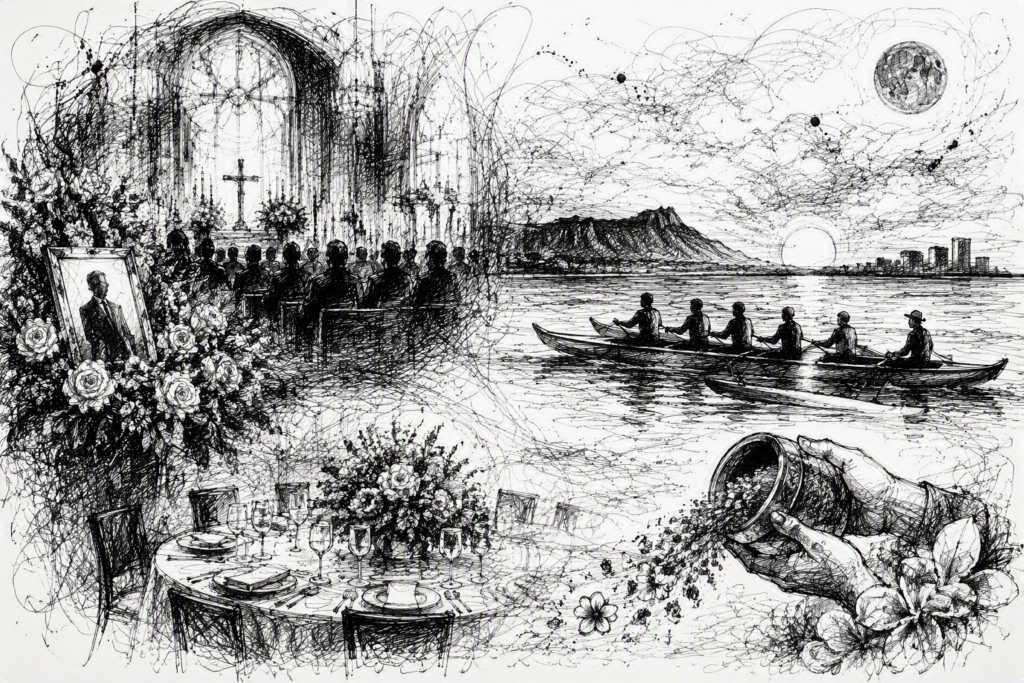
One of the most memorable funerals I arranged as an Executive Trust Officer came with a price tag just shy of $100,000. The family wanted a farewell that was both deeply personal and reflective of the client’s standing in the community. They expected a large attendance, including many prominent guests, and no detail was left to chance.
The day began with a church service, followed by a bagpipe-led procession to the top floor of a well-known hotel, where family and friends gathered to celebrate a remarkable life. Every element had been carefully considered—from custom-coloured linens to milkshakes featuring the client’s favourite flavours. Guests enjoyed an extensive selection of fine food while sharing stories and memories.
Behind the scenes, the planning was as elaborate as the event itself. Coordinating the family’s wishes with event planners, hospitality teams, and entertainment providers took weeks of preparation. While this was certainly the most expensive funeral I have arranged, it serves as a reminder that funeral costs can escalate quickly when families seek a highly customized and large-scale celebration of life.
The least expensive funeral I ever arranged cost about $1,200—and it was one of the most meaningful. As one of three executors, I was tasked with making arrangements for a man who had left no specific funeral instructions. That said, his wishes were not difficult to imagine. A Fellow Chartered Accountant by profession, he was legendary for finding practical, economical solutions and never spending money unnecessarily.
A quick search of the Yellow Pages led the co-executors and me to a cremation provider advertising services for less than $1,000. Family members gathered from afar and spent precious time together on the day that he passed, but there was no formal celebration of life. In many ways, which seemed fitting. Despite being highly respected in both his professional and personal circles, he was never comfortable in the spotlight.
Years later, an unexpected opportunity presented itself when I was planning a vacation. Knowing that Hawaii had been a favourite destination for both him and his wife, the co-executors asked me to arrange a final farewell. Armed with the necessary paperwork and their ashes, I travelled to Hawaii and chartered an outrigger canoe with a captain and rowing crew.
In the early morning hours, just after a “Super Blue Blood Moon”, we paddled about a mile offshore. There, surrounded by the Pacific Ocean with Diamond Head in the background, I released their ashes and flowers into the water. As the crew turned the canoe toward shore and caught a powerful wave, we sped back across the water in a moment I will never forget.
The cost of that final Hawaiian tribute was about $300. Together with the cremation, the total came to roughly $1,200—a simple but unforgettable farewell for one of the most remarkable people I have ever known: my father. And I have no doubt my parents would have approved of this simple yet fitting farewell at their favourite destination.
As the stories above demonstrate, funeral costs can vary dramatically. Whether an estate pays a few thousand dollars or many times that amount, the most important lesson is that planning ahead matters. Clear instructions, realistic budgeting, and open conversations can help ensure that a family’s final farewell reflects the wishes of the deceased without creating unnecessary financial or emotional burdens for those left behind.
Having administered many estates myself, here are some best practices for executors and testators:
- Talk about your wishes while preparing your estate plan – let your family know what you would want, and what you wouldn’t want.
- Understand that funeral costs can vary dramatically (and don’t assume the most expensive option is the most meaningful!) – there can be some sticker shock, and often when people are grieving, they might make decisions based on emotion;
- Ensure there is liquidity available – many accounts may be “frozen” pending probate – but most institutions will free up available funds for funeral expenses.
- Keep detailed records of all expenses – goes without saying, especially if some family members are incurring expenses personally and expect to be reimbursed.
For executors, understanding the available options can help avoid unnecessary stress and expense. For testators, communicating wishes in advance can be one final gift to the family members left behind.

One of the most challenging elements, is that when a person dies, they are usually whisked off to a funeral home, which may, or may not be the place of choice for the deceased. And in rural areas, choices may be very limited, with the low cost cremation providers unwilling to travel to collect the body (or they may charge additional fees for long-distance transport). Once the body is at a funeral home, the choices become much more limited, in my experience, so planning this specific detail can help save money – for those who are so inclined! Great piece. The same advice about not assuming the least expensive option is the least meaningful, applies to weddings too!